“coffee fruits” search results (22800)

Fruit-flavored cappuccino (cappuccino) production process
What do you think of fruit-flavored cappuccino? Traditional cappuccino milk foam is thicker, coffee flavor is obvious; La Hua cappuccino milk flavor, coffee flavor is clearly discernible, when you enjoy the simple milk, coffee-flavored cappuccino many times, do you try to change the taste? Or change the method of cappuccino? "Fruit cappuccino" can make a variety of fruit flavor choices, for example
2014-09-13 Coffee knowledge fruity coffee cappuccino coffee making process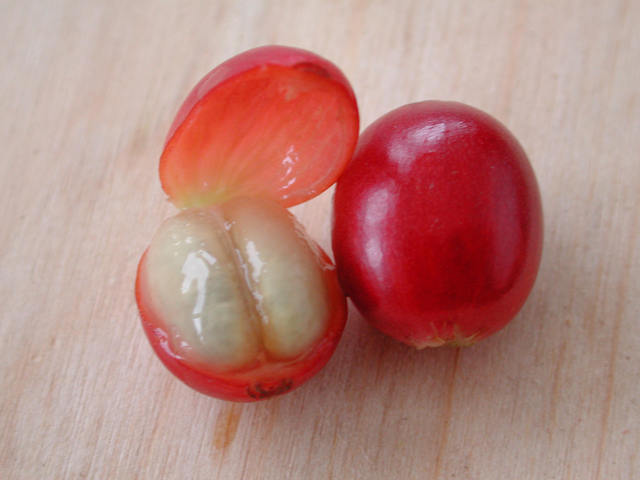
The treatment process from Coffee Fruit to Coffee Raw beans after picking Coffee Fruit
There are a pair of oval seeds in the center of the coffee fruit, which are covered with outer skin, endocarp and pulp. Ripe fruits rot in a short period of time without treatment, so the purpose of refining is to preserve coffee beans for a long time so that they can be stored and circulated. Refining is to remove the skin and pulp of the coffee fruit, and then take out the seeds. The general methods of refining are drying, washing, and
2016-01-16 Coffee fruit picking raw beans treatment process drying sun drying coffee
General knowledge of Fine Coffee explain the way to get beans from Coffee
The beans are sweeter when the coffee is picked after it is red and ripe. If coffee farmers in order to save trouble, no matter whether the coffee fruit is ripe or not, picking it together will make the coffee sour and astringent, so the fine coffee must choose the ripe red fruit. Distinguish between floating beans and sunken beans: coffee fruits picked from coffee fields should not be mistaken and must be sent to the processing plant on the same day. Immature
2015-05-15 Boutique coffee common sense detailed explanation extraction of beans way
Coffee trees take 3-5 years from planting to fruiting.
Coffee trees take 3-5 years from planting to fruiting. 6-10 years of coffee trees are the most likely to bear fruit, about 15-20 years, is the harvest period. Coffee trees are usually bred in nurseries and grow into saplings, and then moved to coffee farms a year later, in full compliance with the way the Arabs planted and cultivated coffee trees. Coffee trees will continue to take root downward and upward in the first four or five years of their growth.
2015-09-15 Coffee planting fruit 3-5 years old coffee
Basic knowledge of Fine Coffee the way of picking beans from Coffee Cherry
The beans are sweeter when the coffee is picked after it is red and ripe. If coffee farmers in order to save trouble, no matter whether the coffee fruit is ripe or not, picking it together will make the coffee sour and astringent, so the fine coffee must choose the ripe red fruit. Distinguish between floating beans and sunken beans: coffee fruits picked from coffee fields should not be mistaken and must be sent to the processing plant on the same day. Immature
2014-12-19 Boutique coffee basics common sense cherries beans way red ripe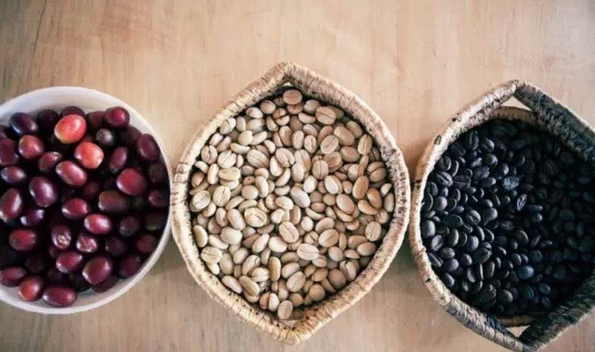
How to become a boutique coffee bean? what kind of bean is a boutique coffee bean?
When the bean has a good variety, planted in the area most likely to breed fragrant elves, but also has the careful care of coffee farmers, thrive and fruitful. BUT! Not all red fruits can become a boutique coffee bean! Today, let's talk about what kind of experience this magical fruit has to go through in order to become a boutique coffee! First of all, it must be
2015-10-27 How to become one boutique coffee beans what beans this have good
Production of coffee beans Coffee trees from planting to fruiting
Coffee trees take 3-5 years from planting to fruiting. 6-10 years of coffee trees are the most likely to bear fruit, about 15-20 years, is the harvest period. Coffee trees are usually bred in nurseries and grow into saplings, and then moved to coffee farms a year later, in full compliance with the way the Arabs planted and cultivated coffee trees. Coffee trees will continue to take root downward and upward in the first four or five years of their growth.
2015-06-04 Coffee beans production coffee planting fruit 3-5 year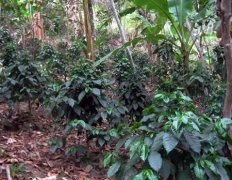
Production of coffee beans Coffee trees from planting to fruiting
Coffee trees take 3-5 years from planting to fruiting. 6-10 years of coffee trees are the most likely to bear fruit, about 15-20 years, is the harvest period. Coffee trees are usually bred in nurseries and grow into saplings, and then moved to coffee farms a year later, in full compliance with the way the Arabs planted and cultivated coffee trees. Coffee trees will continue to take root downward and upward in the first four or five years of their growth.
2015-10-13 Coffee beans production coffee planting fruit 3-5 year
Common sense method of Coffee invents the Frozen Storage method of small Fruit Coffee Seeds
The French Development Institute has recently successfully invented a method of long-term frozen storage of small fruit coffee seeds, which provides a reliable means for establishing a small fruit coffee seed bank and protecting biodiversity. Coffee belongs to Rubiaceae evergreen shrubs or small trees, mainly produced in tropical areas, there are small fruit coffee, medium fruit coffee and large fruit coffee and so on. Small fruit coffee is native to the Arab region and is currently grown in the world.
2014-11-12 Coffee knowledge coffee seeds freezing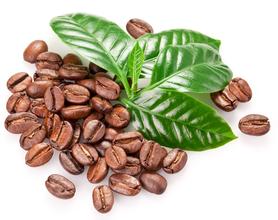
There are so many varieties of coffee beans how to become a high-quality coffee bean?
When the bean has a good variety, planted in the area most likely to breed fragrant elves, but also has the careful care of coffee farmers, thrive and fruitful. BUT! Not all red fruits can become a boutique coffee bean! Today, let's talk about what kind of experience this magical fruit has to go through in order to become a boutique coffee! First of all, it must be
2015-12-02 Coffee beans a wide variety how to become a boutique coffee beans this one
Introduction of Honduran coffee beans with rich and mellow taste and non-astringent and sour taste
High-quality coffee in Honduras uses water washing to deal with coffee beans, usually after soaking, when the defective fruit will surface, it can be discarded first. Then put the good fruit into the fruit peeling machine and peel off the peel with the rotating force of the machine. Peeled fruits are screened by machines to select fruits of high quality. Usually the bigger the fruit.
2016-06-23 With rich thick taste not astringent not sour Honduras coffee beans
A brief introduction to the basic knowledge of Coffee beans
There are about 60 species of coffee in the world, of which only 25 species are cultivated to make coffee, of which only 4 species are used as commercial coffee: large fruit coffee (Coffea liberica), medium fruit coffee (Coffea canephora), small fruit coffee (Coffea arabica) and high yield coffee (Coffea dewevrei). These are botanical names. Coffee in the world at present
2014-11-20 Coffee knowledge boutique coffee science coffee beans
Treatment of Coffee Fruit and Coffee beans
The solarization process can also be called a natural process, which is basically the oldest, simplest, and requires the least mechanical tools. The first step is to sort and clean it up first. Immature, overripe, damaged coffee fruits will be singled out first. At the same time, the branches, leaves, mud and stones mixed in the fruit will also be removed. Sieves are usually used to deal with this preliminary
2015-04-16 Coffee fruit coffee beans treatment sun exposure process also known as nature.
Basic knowledge of boutique coffee knowledge of fine coffee beans
There are about 60 species of coffee in the world, of which only 25 species are cultivated to make coffee, of which only 4 species are used as commercial coffee: large fruit coffee (Coffea liberica), medium fruit coffee (Coffea canephora), small fruit coffee (Coffea arabica) and high yield coffee (Coffea dewevrei). These are botanical names. Coffee in the world at present
2014-12-28 Boutique coffee basics common sense coffee beans knowledge the world plants about
Points for attention in Coffee planting
When the fruit of the coffee tree is picked, the four layers of skin wrapped around the coffee beans need to be removed in order to finally get the coffee beans needed. The main methods to remove the outer epidermis of coffee beans are "wet treatment" and "dry treatment".
2014-07-09 Coffee knowledge coffee tree planting planting matters coffee encyclopedia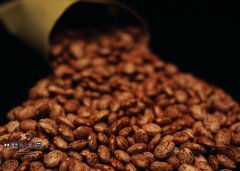
Coffee fruit plantation
This 3-year-old Japanese girl, who speaks Mandarin in Yunnan, is always popular with farmers from all over the country. During the last picking season of coffee fruit, her parents Tian Daiju and Tian Daisi were the busiest. In this way, Tian Daihe has free space to haunt every corner of the coffee fruit manor. There are coffee fruits drying in the courtyard, these small white ones
2014-08-12 Coffee fruit coffee fruit planting coffee manor
What exactly does the coffee bean coffee fruit look like?
What we see every day are roasted coffee beans, at most we have seen yellow-green raw coffee beans, which is the most kind of fruit. What did it look like at first? What we usually see is a bit like cherries, so we sometimes call coffee fruits coffee cherries. Generally speaking, there are two coffee beans in each coffee fruit, which are covered with exocarp, pulp and pectin.
2014-09-25 Coffee bean coffee fruit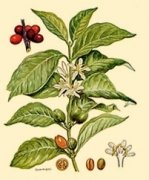
There are about 60 species of coffee plants in the world.
There are about 60 species of coffee in the world, of which only 25 species are cultivated to make coffee, of which only 4 species are used as commercial coffee: large fruit coffee (Coffea liberica), medium fruit coffee (Coffea canephora), small fruit coffee (Coffea arabica) and high yield coffee (Coffea dewevrei). These are botanical names. Coffee in the world at present
2015-06-04 The whole world coffee plants about many all over the world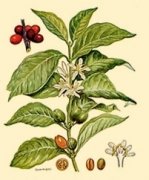
There are about 60 species of coffee plants in the world.
There are about 60 species of coffee in the world, of which only 25 species are cultivated to make coffee, of which only 4 species are used as commercial coffee: large fruit coffee (Coffea liberica), medium fruit coffee (Coffea canephora), small fruit coffee (Coffea arabica) and high yield coffee (Coffea dewevrei). These are botanical names. Coffee in the world at present
2015-09-15 The whole world coffee plants about many all over the world
What exactly does the coffee fruit look like?
What we see every day are roasted coffee beans, at most we have seen yellow-green raw coffee beans, which is the most kind of fruit. What did it look like at first? What we usually see is a bit like cherries, so we sometimes call coffee fruits coffee cherries. Generally speaking, there are two coffee beans in each coffee fruit, which are covered with exocarp, pulp and pectin.
2015-09-15 Coffee fruit what is it what it looks like what we every day what we see is roasting.